Author: admin

  • Perimenopause Symptoms: 17 Signs to Look Out For (and What Helps)

    Perimenopause Symptoms: 17 Signs to Look Out For (and What Helps)

    Feeling hot at night, anxious for no reason, or like your periods have a mind of their own? You might be in perimenopause. It’s one of the most searched health topics for women in their 40s, and yet so many of us are never told what to expect.

    In short: perimenopause is the transition before menopause, when your hormones start to fluctuate. It usually begins in your 40s and can bring changes to your periods, sleep, mood, body temperature, weight and energy. Symptoms are common and very treatable, so you don’t have to just put up with them.

    What is perimenopause?

    Perimenopause means “around menopause”. It’s the stage when your ovaries gradually produce less oestrogen and progesterone, and levels rise and fall unpredictably from month to month. It ends at menopause, which is defined as 12 months in a row without a period. Read more in our guide: When does perimenopause start?

    The 17 most common perimenopause symptoms

    Every woman’s experience is different. You may notice just one or two of these, or many of them.

    Changes to your periods

    • 1. Irregular periods: cycles that get shorter, longer or unpredictable are often the first sign.
    • 2. Heavier or lighter bleeding: some months may be much heavier than you’re used to.
    • 3. Worse PMS: breast tenderness, bloating and mood swings before a period can become more noticeable.

    Body temperature and sleep

    • 4. Hot flushes: sudden waves of heat in your face, neck and chest, sometimes with redness and sweating.
    • 5. Night sweats: waking up hot and damp, sometimes needing to change your clothes.
    • 6. Trouble sleeping: difficulty falling asleep or waking at 3 or 4am, even without night sweats.
    • 7. Tiredness: poor sleep and hormonal changes can leave you exhausted.

    Mood and mind

    • 8. Anxiety: new or stronger feelings of worry, sometimes with a racing heart.
    • 9. Low mood and irritability: feeling flat, tearful or short-tempered.
    • 10. Brain fog: forgetting words, losing your train of thought or finding it harder to concentrate.

    Body changes

    • 11. Weight gain around the middle: fat storage tends to shift towards the tummy. See what helps with perimenopause weight gain.
    • 12. Loss of muscle and strength: everyday tasks can start to feel harder.
    • 13. Joint and muscle aches: stiffness, especially in the morning.
    • 14. Headaches: some women notice more frequent or stronger headaches or migraines.
    • 15. Heart palpitations: an awareness of your heartbeat. Always get new palpitations checked by a doctor.

    Intimate and bladder health

    • 16. Vaginal dryness and lower libido: discomfort during sex and less interest in it.
    • 17. Bladder changes: needing to pee more often, or more urinary infections.

    Other symptoms women often report include dry or itchy skin, thinning hair, dizziness and tingling in the hands or feet.

    How do you know it’s perimenopause?

    If you’re over 45 and have typical symptoms, a doctor can usually tell you’re in perimenopause from your symptoms and your periods alone. Hormone blood tests aren’t always helpful, because levels change so much from day to day. If you’re under 45, your doctor may suggest tests to rule out other causes, such as thyroid problems or anaemia.

    A simple trick: keep a symptom diary for two or three months. Note your periods, sleep, mood and hot flushes. It makes the conversation with your doctor much easier.

    What helps with perimenopause symptoms?

    Talk to your doctor about treatment

    Hormone replacement therapy (HRT), also called menopausal hormone therapy, is the most effective treatment for hot flushes and night sweats, and it can help with sleep, mood and joint aches too. It isn’t right for everyone, so talk through the benefits and risks with your doctor. There are also non-hormonal medicines and local treatments for vaginal dryness.

    Strength train twice a week

    Strength training helps protect muscle and bone, supports a healthy weight and is great for mood and sleep. Start with our gentle beginner’s guide.

    Eat enough protein

    Aim for roughly 25–35 g of protein at each meal to protect your muscles. Here’s how much protein women over 40 need, plus high-protein breakfast ideas.

    Walk every day

    Daily walks support your heart, mood, sleep and weight. Our 30-day walking plan is a gentle place to start.

    Protect your sleep

    Keep your bedroom cool, wear light layers, keep a regular bedtime and limit caffeine after midday and alcohol in the evening.

    Look after your mind

    Cognitive behavioural therapy (CBT) has good evidence for helping with hot flushes, sleep and low mood during this stage. Talking to friends who are going through the same thing helps, too.

    When to see a doctor

    See your doctor if your symptoms are affecting your daily life, and always get checked if you have:

    • Very heavy periods, or bleeding that lasts much longer than usual
    • Periods closer together than every three weeks
    • Bleeding between periods or after sex
    • New heart palpitations, chest pain or shortness of breath
    • Low mood that won’t lift, or any thoughts of harming yourself

    Frequently asked questions

    Can perimenopause start in your 30s?

    Yes. For most women it starts in their 40s, but some notice changes in their late 30s.

    How long do perimenopause symptoms last?

    Perimenopause lasts about four years on average, but it can be shorter or as long as ten years. Some symptoms, such as hot flushes, can continue for a few years after menopause.

    Can I still get pregnant during perimenopause?

    Yes. You can still ovulate, so use contraception until your doctor says it’s safe to stop.

    The bottom line

    Perimenopause is a normal stage of life, but that doesn’t mean you have to struggle through it. Track your symptoms, talk to your doctor and build simple habits around strength, protein, movement and rest. If you’d like a gentle place to start, download our free Fit After 40 Starter Kit.

    This article is for general information only and isn’t medical advice. Please speak to your doctor about your own symptoms.
  • Perimenopause Weight Gain: What’s Really Happening and What Helps

    Perimenopause Weight Gain: What’s Really Happening and What Helps

    You’re eating the same, moving the same, and yet the scale is creeping up, especially around your middle. If that sounds familiar, you’re not imagining it, and it’s not a lack of willpower.

    What’s happening in your body

    Perimenopause is the transition before menopause, and it often begins in your 40s. As hormone levels, especially oestrogen, rise and fall less predictably, several things can change at once:

    • Where you store fat: lower oestrogen tends to shift fat storage towards the tummy.
    • Muscle: we naturally lose muscle with age, and less muscle means your body uses a little less energy each day.
    • Sleep: night sweats and broken sleep are common, and poor sleep can increase appetite and cravings.
    • Stress and energy: busy lives, low energy and mood changes can make old routines harder to keep.

    What actually helps

    The answer usually isn’t eating less and less or doing hours of cardio. That often leaves you tired, hungry and losing muscle. These habits tend to work better:

    1. Strength train twice a week

    Keeping and building muscle is one of the most helpful things you can do. Two short full-body sessions a week are enough to start.

    2. Eat enough protein

    Protein helps protect muscle and keeps you fuller for longer. Aim for a good source at every meal, roughly 25–35 g.

    3. Walk most days

    Walking is gentle, easy to fit in and great for your heart, mood and blood sugar. Build up gradually to a daily step count that feels achievable for you.

    4. Protect your sleep

    Keep a regular bedtime and a cool bedroom, and limit caffeine after midday. If night sweats are keeping you awake, talk to your doctor.

    5. Fill up on fibre and colour

    Vegetables, fruit, beans, lentils and whole grains support digestion and help you feel satisfied.

    6. Go easy on alcohol

    Alcohol can disrupt sleep, trigger hot flushes and add calories without making you feel full.

    When to talk to your doctor

    If your symptoms are affecting your daily life, or you’d like to talk about options such as hormone therapy, book an appointment with your GP. A doctor can also check for other causes of weight change, such as thyroid problems.

    The bottom line

    Your body is changing, so your approach can change too. Focus on strength, protein, movement and rest, and judge your progress over weeks, not days. Be patient and kind with yourself. This chapter can be a strong one.

  • Strength Training After 40: A Gentle Beginner’s Guide

    Strength Training After 40: A Gentle Beginner’s Guide

    If you’ve never lifted weights, or it’s been years, strength training can feel intimidating. The good news? You don’t need a gym, heavy barbells or hours of free time. Two short sessions a week are enough to start feeling stronger.

    Why strength training matters now

    After 40, muscle and bone both become harder to maintain. Regular strength training helps you keep them, which means more energy, better balance, stronger bones and an easier time managing your weight. It also makes everyday life easier: carrying shopping, climbing stairs, lifting grandchildren or getting up off the floor.

    Start with four simple movements

    Almost every useful exercise is a version of one of these four patterns:

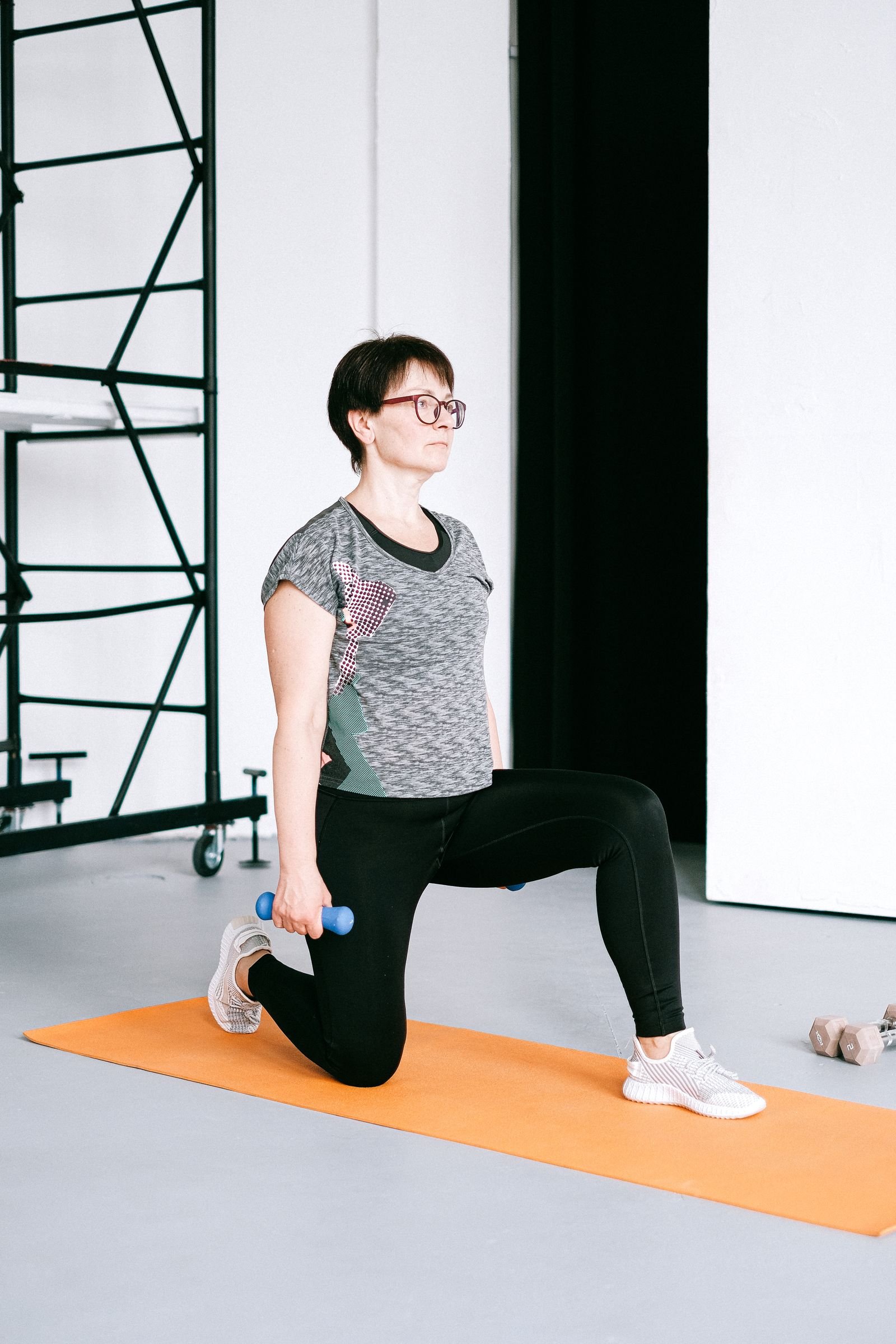
    • Squat: sitting down and standing up. Start with a chair squat.
    • Hinge: bending at the hips, as you would to pick something up. Start with a glute bridge or a light hip hinge.
    • Push: pushing something away. Start with wall or countertop push-ups.
    • Pull: pulling something towards you. Start with a resistance-band row.

    Do two or three sets of 8–12 repetitions of each, twice a week, with at least one rest day in between. A whole session can take 30–40 minutes including a gentle warm-up.

    How heavy should it feel?

    Choose a weight or version of the exercise where the last two or three repetitions feel challenging, but your technique stays good. A simple way to judge it: at the end of each set, you should feel that you could have done about two more, but not many more.

    Make it a little harder over time

    Your body gets stronger when you slowly ask it to do a bit more. Once you can do 12 good repetitions in every set, make it slightly harder next time: add a little weight, slow the movement down or move to a harder version, such as from wall push-ups to countertop push-ups.

    A simple first week

    • Day 1: chair squats, glute bridges, wall push-ups and band rows (2 sets each)
    • Days 2–3: rest, or an easy 20–30 minute walk
    • Day 4: repeat Day 1, aiming for one or two more repetitions
    • Days 5–7: walks and gentle stretching

    Listen to your body

    Some muscle soreness a day or two after training is normal at first. Sharp pain is not. Stop if something hurts, and if you have a health condition, an injury or you’re unsure, check with your doctor or a qualified trainer before you begin.

    The bottom line

    Strength isn’t built in one big effort. It’s built by ordinary weeks done consistently. Start small, keep it simple and let the results surprise you.

  • How Much Protein Do Women Over 40 Really Need?

    How Much Protein Do Women Over 40 Really Need?

    Probably more than you’re eating now, and spread differently across your day. If you’ve noticed that you feel weaker, recover more slowly or seem to lose shape even though you eat well, protein is one of the first things worth looking at.

    Key takeaways: a good everyday starting point for active women over 40 is around 1.2–1.6 g of protein per kg of body weight. Aim for roughly 25–35 g at each main meal, and give breakfast extra attention, because that’s where most women fall short.

    Why protein matters more after 40

    From our late 30s onwards we gradually lose muscle unless we do something to keep it. In perimenopause, falling oestrogen seems to make muscle a little less responsive to both exercise and protein. Researchers call this anabolic resistance: the same small portions that worked at 30 may simply not be enough any more.

    Muscle isn’t only about looking toned. It keeps you strong for everyday life, supports your balance and bones, and helps you manage your weight. Protecting it is one of the kindest things you can do for your future self.

    Work out your daily number

    Multiply your weight in kilograms by 1.2 and by 1.6. That gives you a sensible daily range. For example:

    • A woman who weighs 60 kg would aim for roughly 72–96 g a day
    • A woman who weighs 70 kg would aim for roughly 84–112 g a day
    • A woman who weighs 80 kg would aim for roughly 96–128 g a day

    If you strength train, aim for the upper half of your range. You don’t need to be precise to the gram. Getting roughly into the range most days is what makes the difference.

    Spread it across the day

    How you spread protein matters almost as much as the total. Muscle responds best to a decent dose at each meal, rather than a small breakfast, a light lunch and a big dinner. Aiming for about 25–35 g, three or four times a day, is a simple pattern that works for most women.

    Easy ways to get 25–35 g at a meal

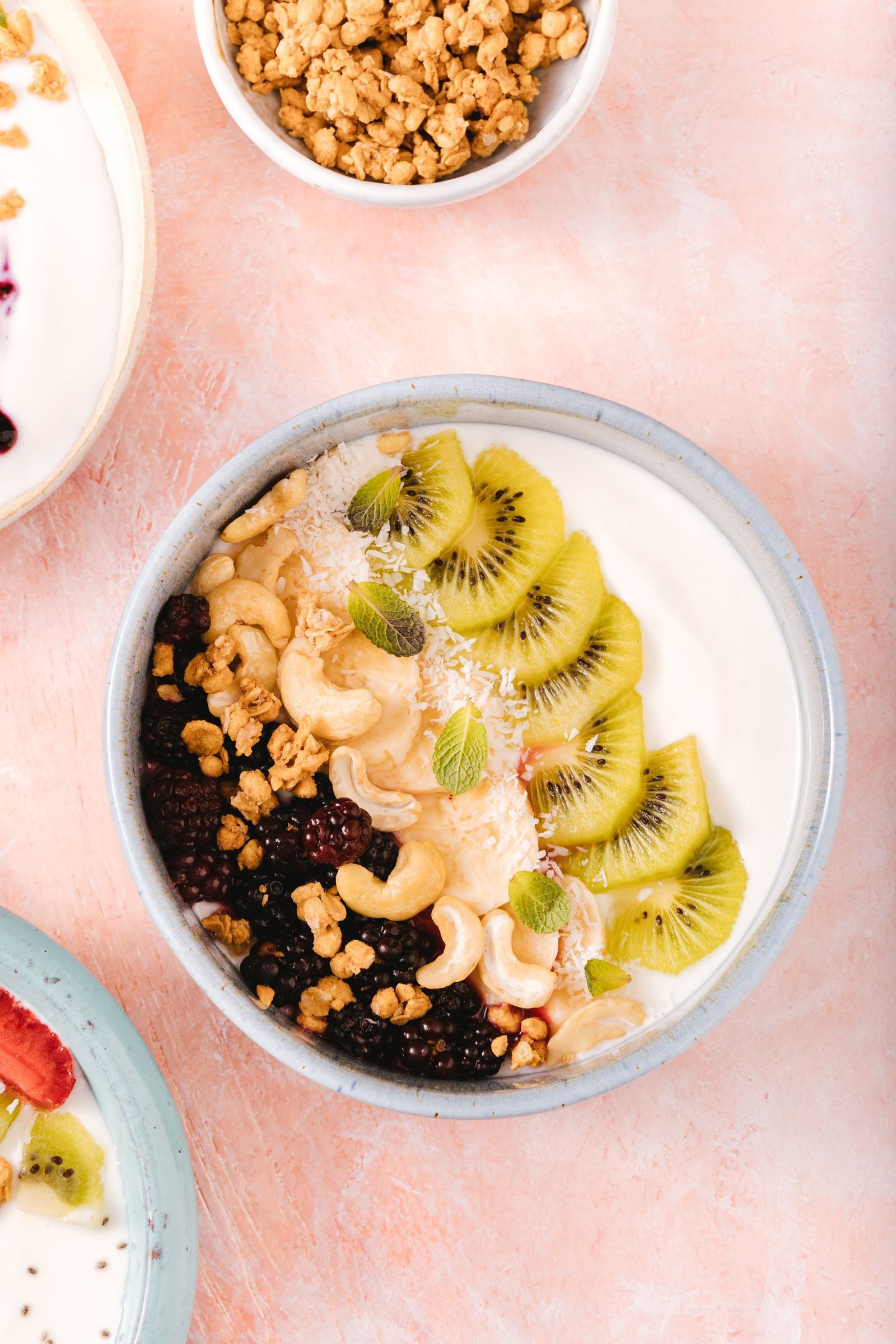
    • 200 g of Greek yoghurt with nuts and berries (about 20–25 g)
    • Three eggs with a slice of wholegrain toast and smoked salmon (about 25–30 g)
    • A chicken breast with vegetables and rice (about 30–35 g)
    • A large bowl of lentil soup with a portion of tofu or cheese (about 20–25 g)
    • A protein smoothie with milk, a scoop of protein powder and a banana (about 30 g)

    Breakfast: the easiest win

    Toast, a pastry or a bowl of cereal often gives you less than 10 g. Swapping to eggs, Greek yoghurt or cottage cheese can add 15–20 g to your day before you even leave the house, and many women notice they feel fuller for longer, too.

    A word of caution

    If you have kidney disease or any other medical condition, talk to your doctor before increasing your protein intake. This article is for education and isn’t personal medical advice.

    The bottom line

    You don’t need a complicated diet. Find your number, add a good source of protein to every meal, and pair it with two short strength sessions a week. Small, steady changes are what help you feel strong again.