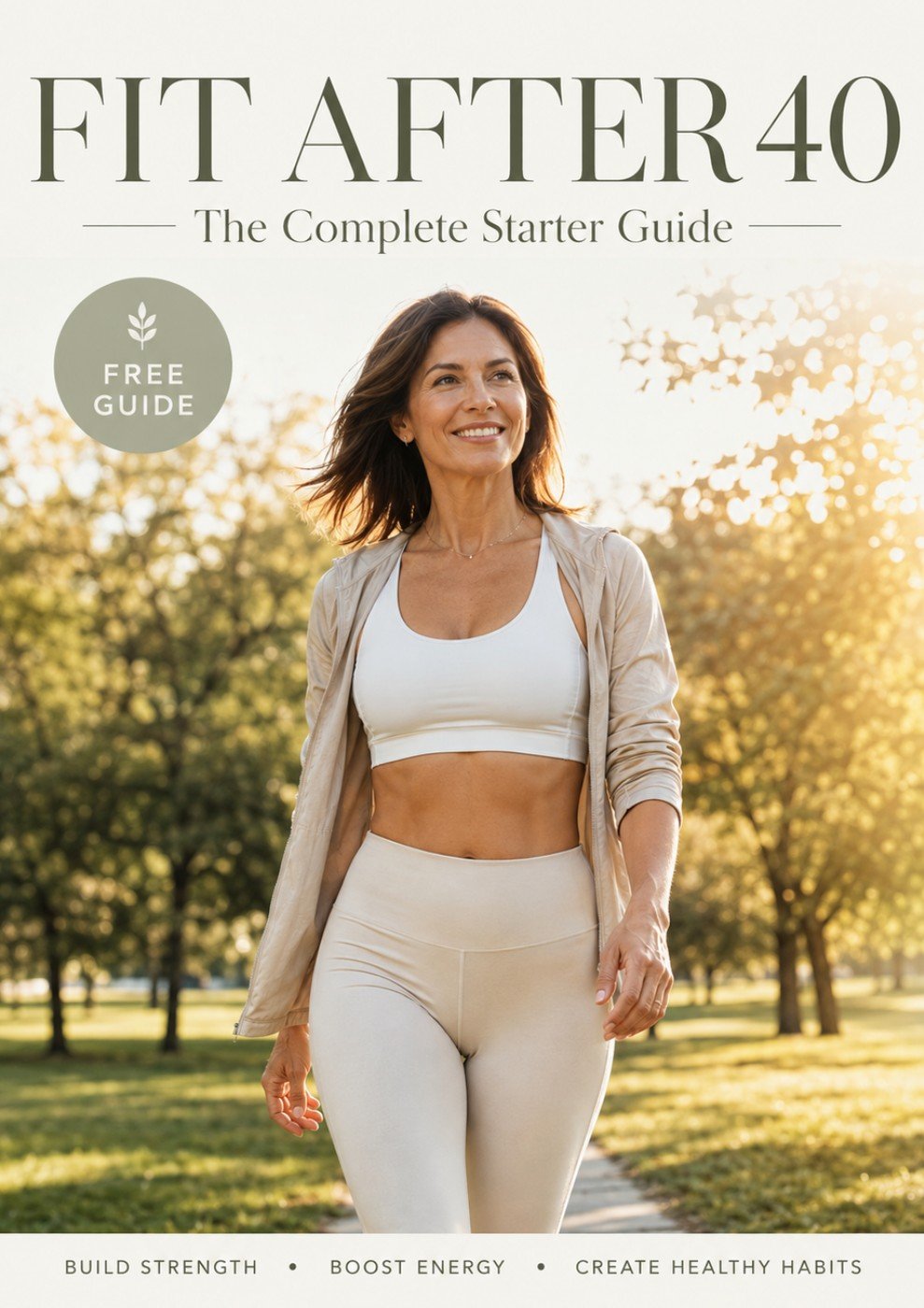
Walking is one of the simplest, kindest ways to move your body after 40. It’s free, it’s easy on your joints, and it fits into almost any day. But can walking actually help you lose weight? Here’s what really works, plus a 30-day plan to get you started.
In short: yes, walking can help with weight loss, especially when you walk most days, gradually build up your time and pace, and combine it with strength training and enough protein.
Does walking help you lose weight?
Walking burns calories, and the more you walk, the more you burn. Just as importantly, it helps in ways the scale doesn’t always show: it supports blood sugar control, lowers stress, improves sleep and boosts your mood, all of which make healthy eating easier.
Walking on its own usually leads to modest weight loss. It works best as part of a bigger picture:
- Walking for daily movement and heart health
- Strength training twice a week to keep and build muscle. See our beginner’s guide.
- Enough protein to protect your muscles and keep you full. Try these high-protein breakfasts.
- Good sleep, which helps control appetite and cravings
How much should you walk?
Health guidelines recommend at least 150 minutes of moderate activity a week, for example 30 minutes on five days. A brisk pace, where you can talk but not sing, counts as moderate. Many studies link around 7,000–9,000 steps a day with real health benefits, but any increase from where you are now is worth it.
Your 30-day walking plan
Walk at a comfortable pace to warm up for the first five minutes, then pick up the pace. If you’re new to exercise, repeat a week before moving on.
Week 1: Build the habit
- Walk 15–20 minutes, five days this week
- Keep it comfortable, and focus on simply getting out the door
Week 2: Add a little pace
- Walk 20–25 minutes, five days this week
- On two of those walks, add 3 × 2 minutes of brisk walking
Week 3: Go a little longer
- Walk 25–30 minutes, five or six days this week
- Add one walk with a hill or some stairs
- Try one longer walk of 40 minutes at the weekend
Week 4: Make it yours
- Walk 30–40 minutes, five or six days this week
- Include intervals on two walks: 1 minute fast, 2 minutes easy, repeated five times
- Keep your long weekend walk
Tips to get more from every walk
- Walk after meals: a 10–15 minute walk after eating can help with blood sugar.
- Swing your arms and stand tall to walk faster and more comfortably.
- Find a walking buddy or a podcast you love to make it something to look forward to.
- Wear supportive shoes and replace them when the soles wear down.
- Add a weighted backpack later (rucking) once walking feels easy, starting light.
- Track your progress with a step counter or a simple tick on a calendar.
Walking during perimenopause
Walking is especially helpful during perimenopause. It can lift your mood, ease stress and help you sleep. On days when you feel exhausted, a short, gentle walk still counts, so be kind to yourself.
Frequently asked questions
Is walking enough to lose belly fat?
You can’t choose where you lose fat, but regular walking, combined with strength training, enough protein and good sleep, can help reduce overall body fat, including around your middle.
Is it better to walk fast or long?
Both help. Longer walks build endurance, while brisk walking and intervals boost fitness. A mix of both works well.
Should I walk every day?
Daily walking is safe and helpful for most women. If you’re managing an injury or health condition, check with your doctor first.
The bottom line
You don’t need intense workouts to change how you feel. Start with 15 minutes, build up slowly, and pair your walks with strength and protein. Our free Fit After 40 Starter Kit includes a printable 30-day walking plan and habit tracker to keep you on track.